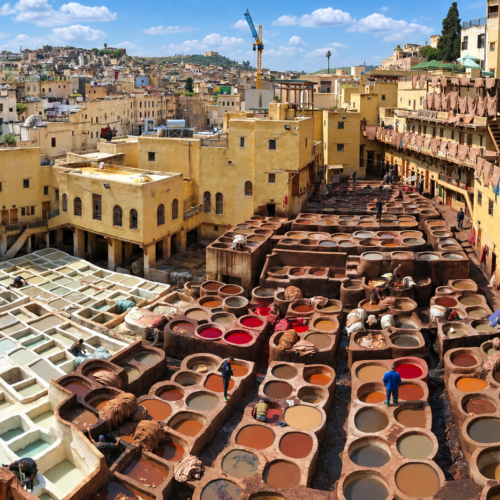
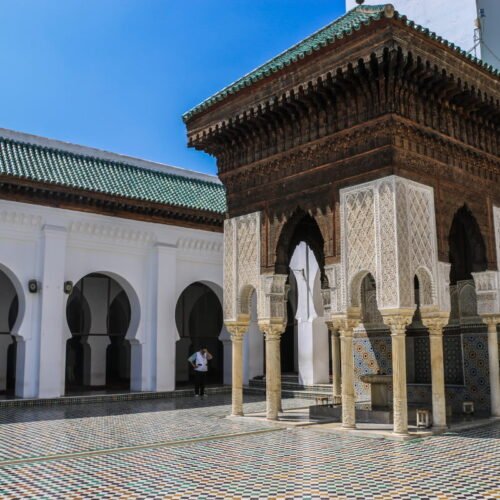
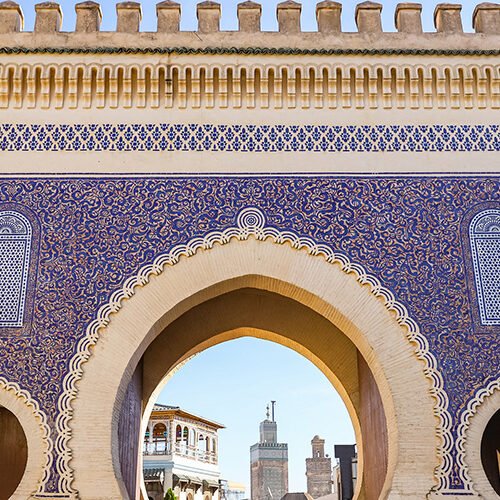
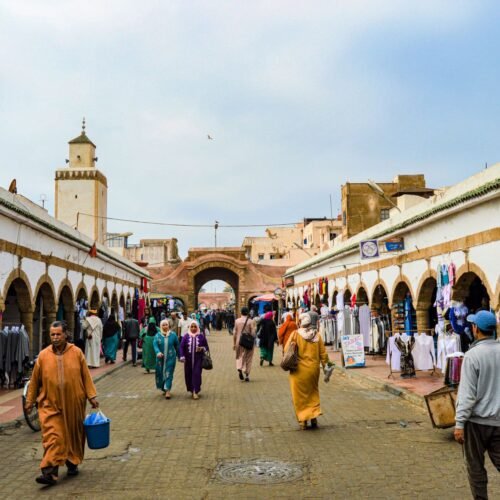
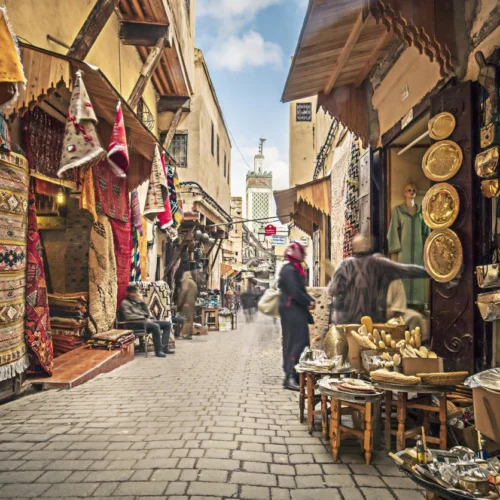
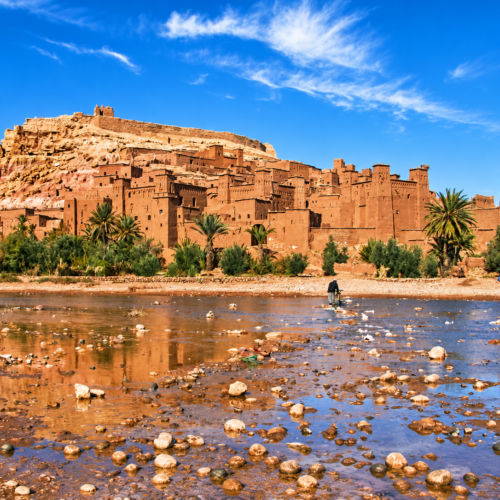
Fes el-Bali is the largest car-free urban area in the world and the oldest continuously inhabited medina in Morocco. Getting there from Casablanca takes three hours each way, which makes this the longest of the single-day trips and the one that needs the earliest start.
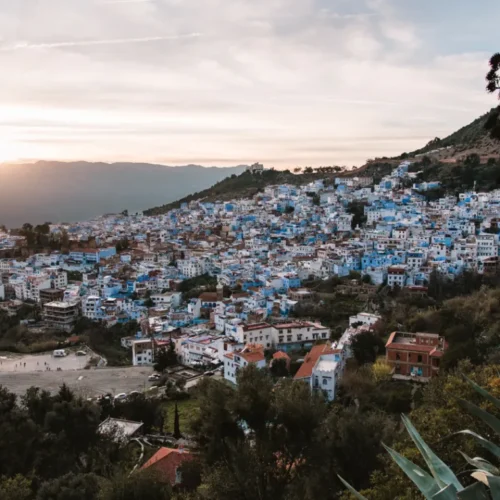
Chefchaouen sits in the Rif mountains, four hours north of Casablanca, and it is blue for reasons nobody entirely agrees on. What is not in doubt is what it looks like: a hillside medina painted in a dozen shades of indigo, with the mountains directly behind it.
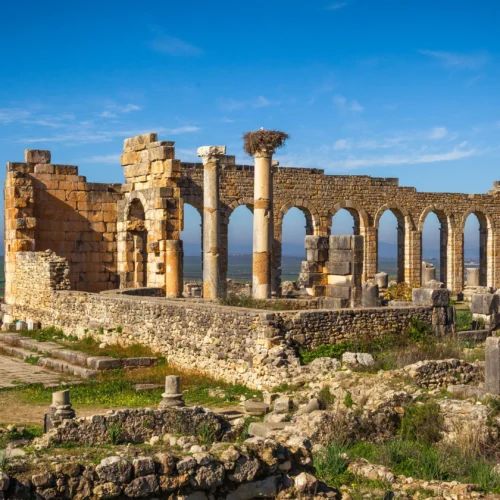
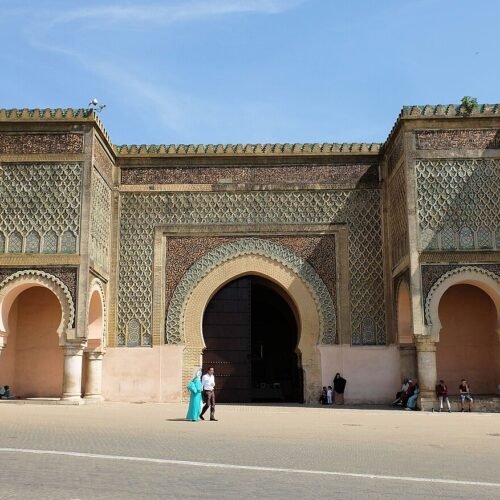
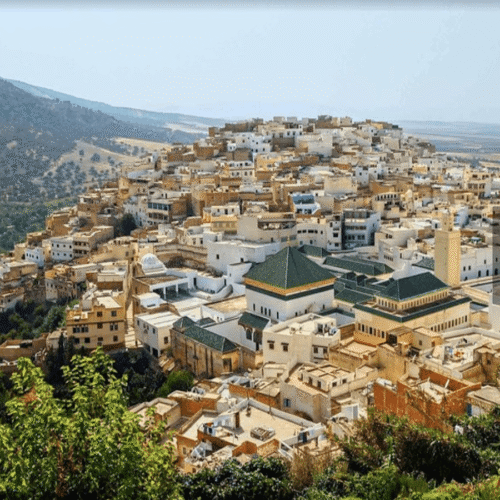
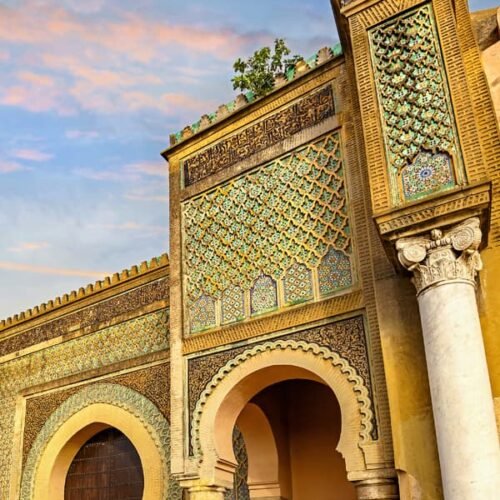
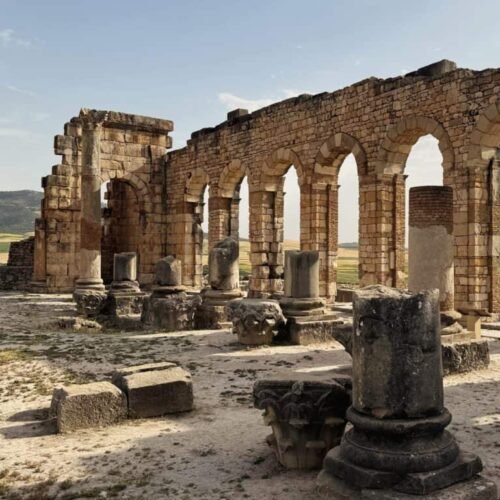
Three places within twenty minutes of each other, and each one a different Morocco. Volubilis is a Roman provincial capital with its mosaics still on the floor where they were laid. Moulay Idriss, on the hill above it, is the town built around the tomb of the man who founded the first Moroccan dynasty. Meknes is the imperial city Moulay Ismail built in the 17th century, and it is enormous.
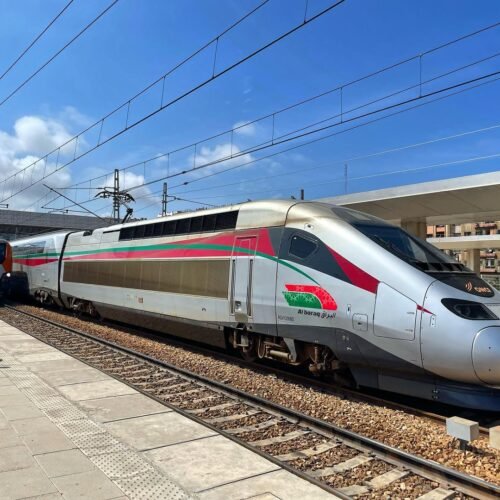
Africa's first high-speed line runs from Casablanca to Tangier, and it changes what is possible in a day. What would be three and a half hours of motorway becomes just over two hours on the train, which buys back most of an afternoon at the other end.
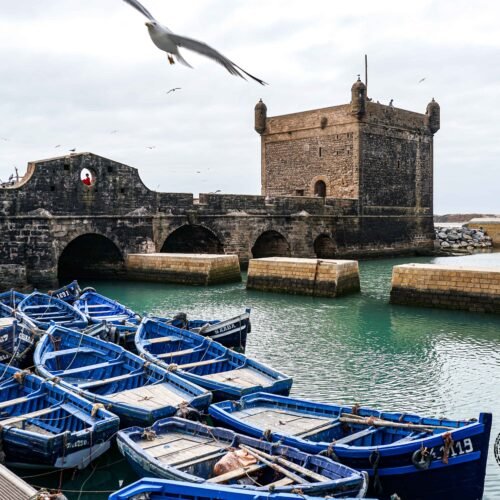
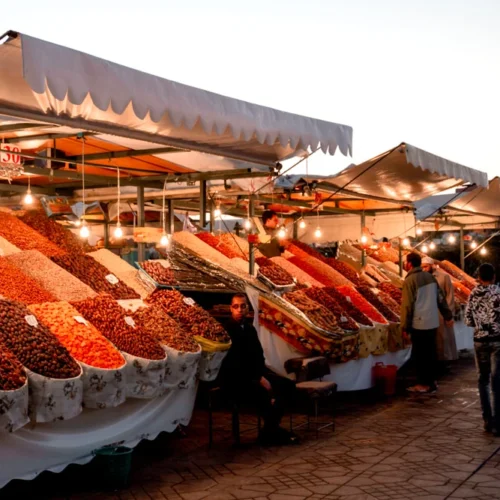
The shortest trip that gets you properly out of the corridor between Casablanca and Rabat. One night in Marrakech turns the day trip into an evening on Jemaa el-Fna, and the second day runs west to the Atlantic at Essaouira, a fortified port with a working fishing harbour and no hustle to speak of.
Morocco has had four imperial capitals and three of them are within a morning's drive of Casablanca. This tour takes them in order: Rabat, which is the capital now; Meknes, which was Moulay Ismail's in the 17th century; and Fes, which was first and is still the one people mean when they talk about old Morocco.